The store will not work correctly in the case when cookies are disabled.
We use cookies.These cookies enhance your experience and improve our website. Certain cookies are necessary and can't be turned off,
but we also allow others to place cookies to track the performance of our website and deliver personalized content and ads. You can select your preference using the buttons.
PSA: Overnight shipping is free on our seafood kits. But only for a limited time. ORDER NOW.
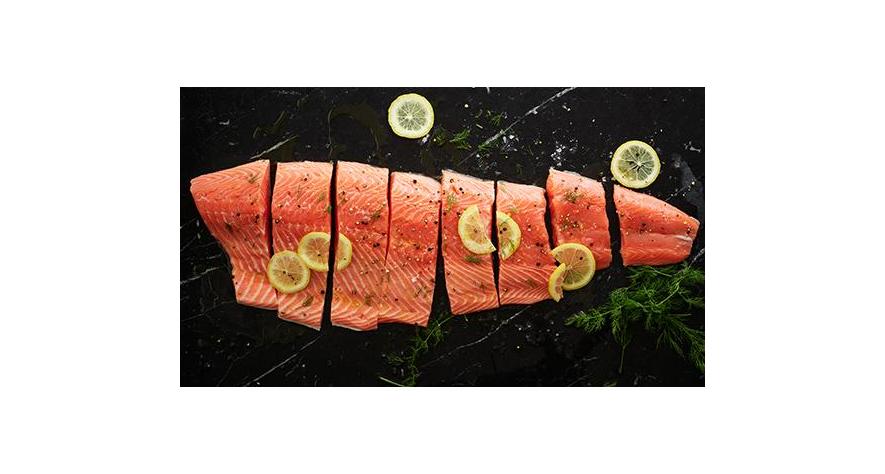
The wild. And the farmed. It’s tempting to try to separate salmon into just two categories. But it’s far from that simple. Because in North America, wild salmon is incredibly diverse. Each year as the sun warms the coastal waters of the Pacific Northwest, salmon run. First, the Kings. Then, the vermilion-hued Sockeyes. And last to migrate upstream, the Cohos.
When you imagine where the world’s finest seafood comes from, your mind might travel to a perfect, watery place on Earth. Nantucket Bay. The mighty Great Lakes. The cold and rough North Atlantic. At Citarella, we source quality seafood from some truly amazing locations.
Sustainability is top of mind for today’s fishermen, seafood wholesalers, celebrated chefs, and gourmet home cooks. But sustainability is also peace of mind. And of all the extraordinary culinary experiences we offer at Citarella, that might just be the ultimate indulgence we serve.
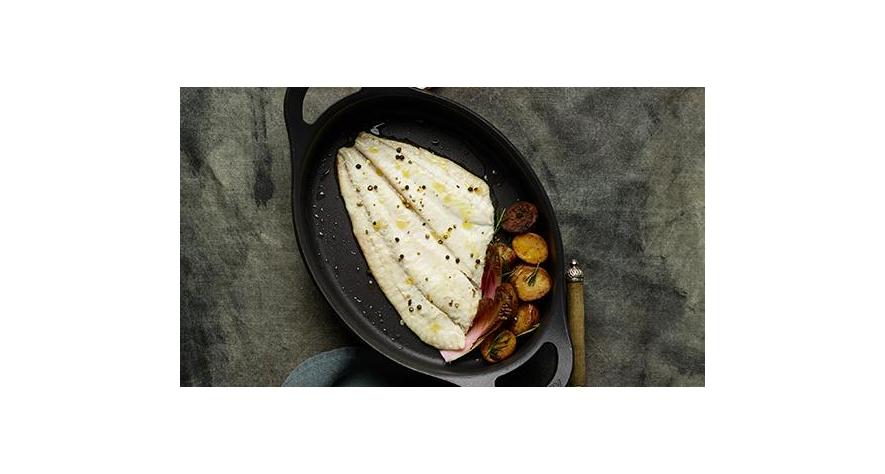
The word itself—mild—doesn’t do this flavor justice. Mild’s power exists in the very fact it doesn’t overpower. It’s a range of flavors full of delicious nuance. Mild has levels. It can be delicate sweetness. Or, it can be a rich, buttery creaminess.
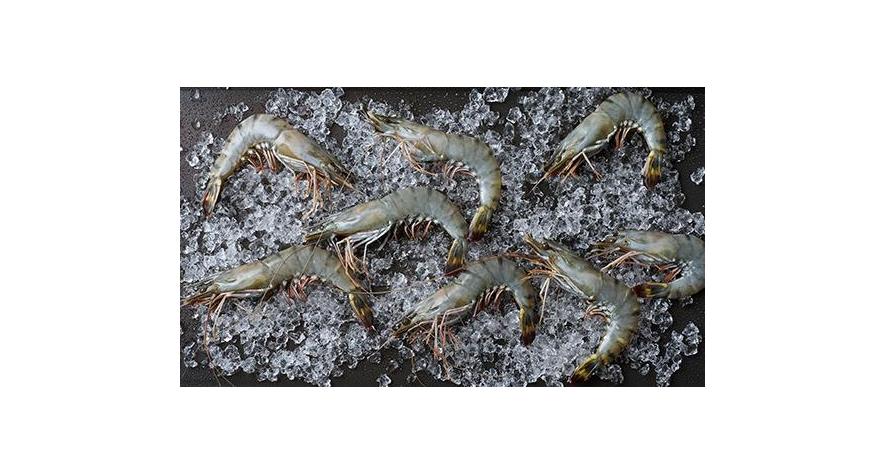
8,500 miles. That’s quite a long way to go for a shrimp. Unless, of course, you’re talking about one very special, incredibly flavorful, refreshingly ethical shrimp. At Citarella gourmet market, there’s no distance we won’t travel to source the world’s finest, freshest seafood. So, to far-off Madagascar we go to source our Citarella-exclusive organic shrimp.
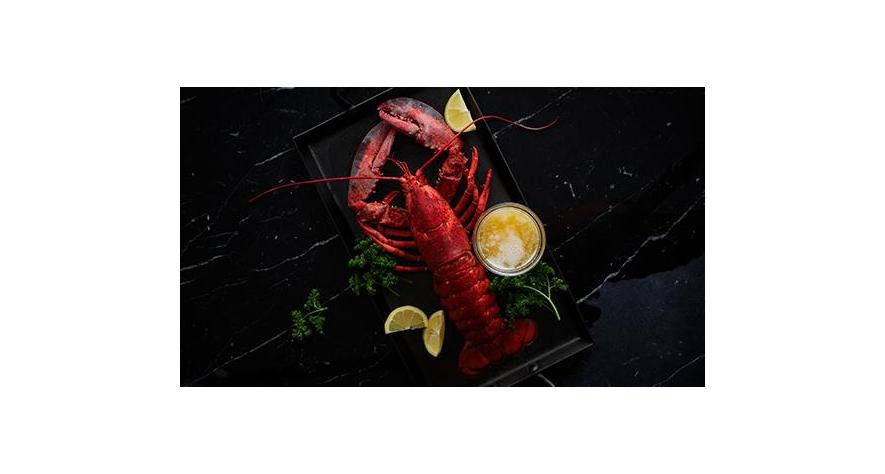
At Citarella, we source the world’s finest, wild lobsters from the frigid Atlantic waters off the coast of Nova Scotia. As is always the case: The colder the water, the better the seafood. And the frigid climates of Northeastern Canada deliver a lobster that is always rich, sweet, and tender.
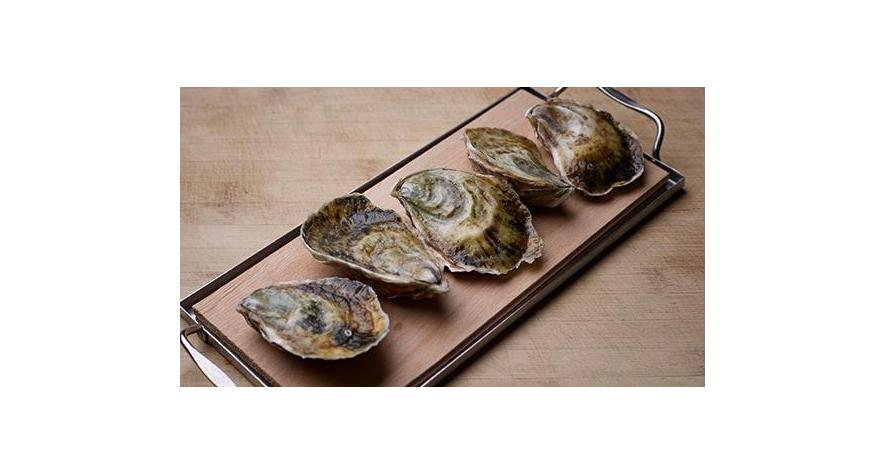
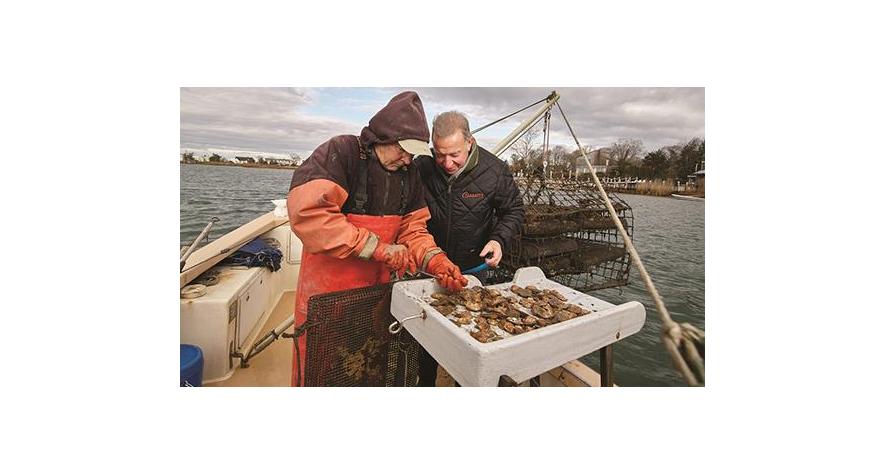
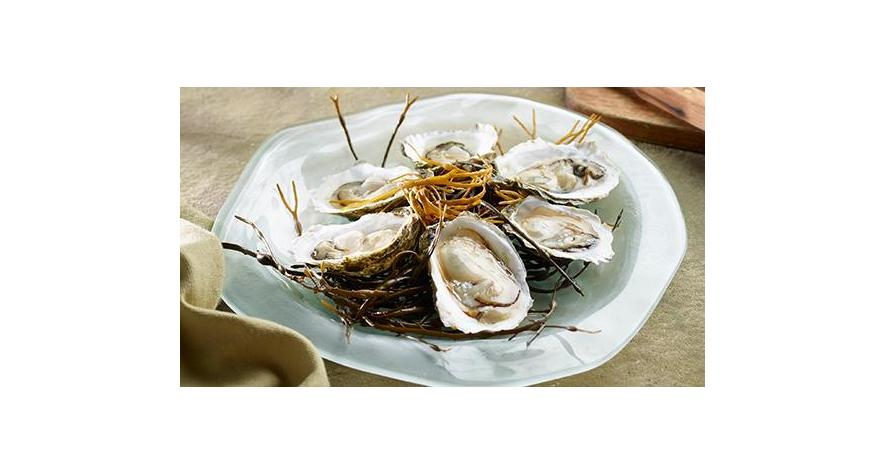
Perhaps more than any other food, an oyster is a reflection of exactly where it comes from. The subleties of an oyster's flavor change from one bay to the next. They even change slightly by the month, week, or even day it's sourced. Some call this an oyster’s “merroir” (akin to a wine’s terroir).
Perhaps more than any other food, an oyster is a reflection of exactly where it comes from. The subleties of an oyster's flavor change from one bay to the next. They even change slightly by the month, week, or even day it's sourced. Some call this an oyster’s “merroir” (akin to a wine’s terroir).
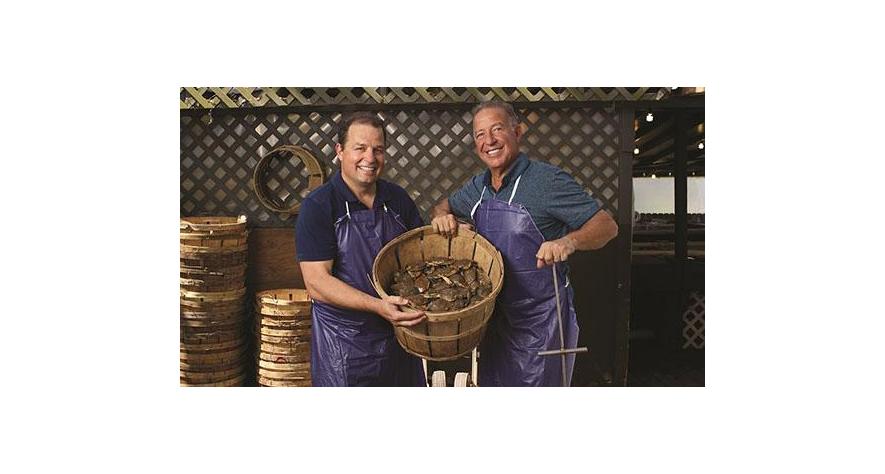
Crisp. Golden brown. Earthy. Sweet and delicious. A noteworthy crunch as you bite into its briny, juicy center, devouring the whole thing, claws and all. Nothing else quite compares to a fresh soft shell crab, simply dusted in flour and pan fried. But before that soft shell hits the pan, a lot has to happen.
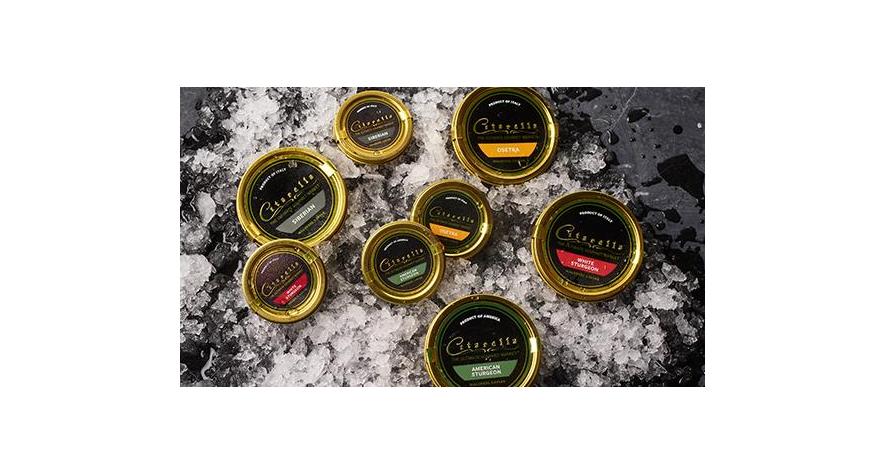
There are precious few areas of life where complete decadence and total sustainability converge. But it does happen in Lombardy in a town called Calvisano at the foot of the Italian Alps. There, among the cold, alpine lakes, a freshwater sturgeon farm has reshaped the way we think about taste and luxury by totally reinventing the way caviar is produced. And it’s from this pioneering aquaculture habitat that we source our signature Citarella caviar.
There are precious few areas of life where complete decadence and total sustainability converge. But it does happen in Lombardy in a town called Calvisano at the foot of the Italian Alps. There, among the cold, alpine lakes, a freshwater sturgeon farm has reshaped the way we think about taste and luxury by totally reinventing the way caviar is produced. And it’s from this pioneering aquaculture habitat that we source our signature Citarella caviar.
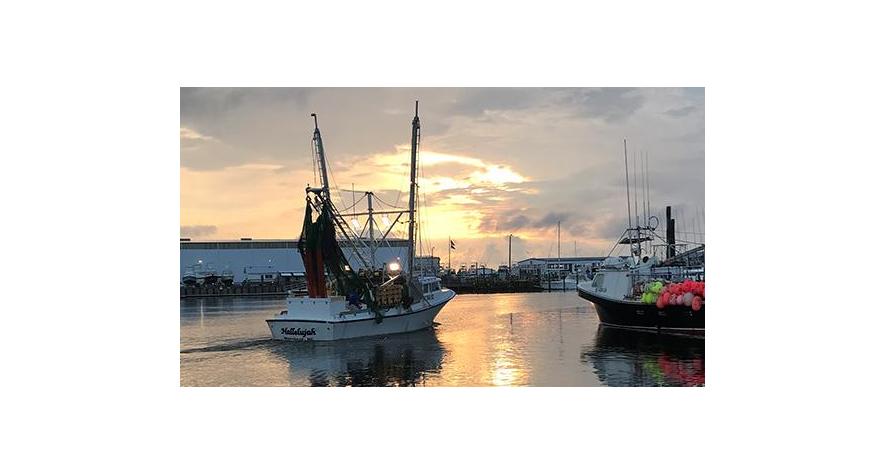
A collective of fishermen based out of Wanchese, a small fishing town on North Carolina’s Roanoke Island, work the shrimp-rich waters from the Outer Banks down to Hilton Head, South Carolina. The northernmost shrimping region in the United States, its cold, ocean water results in plump, juicy shrimp with a high fat content.